In the world of competitive and recreational gaming, every piece of your setup matters. You’ve likely invested in a powerful graphics card, a high-refresh-rate monitor, and a mechanical keyboard. But what about the one piece of equipment your hand is physically connected to for hours on end? The Ergo Gaming Mouse is not just a luxury; for many, it’s a fundamental component for enhanced comfort, prolonged endurance, and superior in-game performance. If you’ve ever felt wrist strain after a long session or wished for a mouse that felt like a natural extension of your hand, you’ve come to the right place.
What Exactly is an Ergo Gaming Mouse?
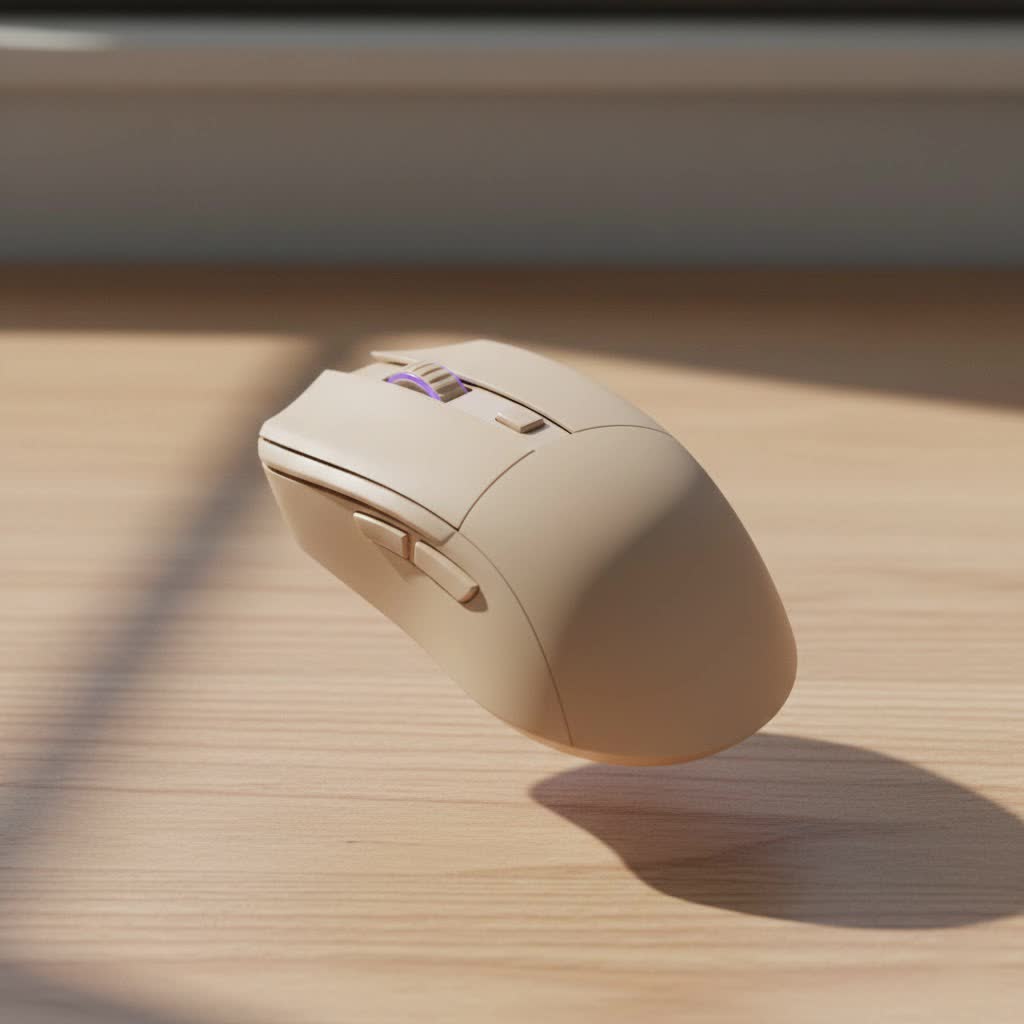
An ergo gaming mouse, short for ergonomic, is designed to fit the natural, resting contours of your hand. Unlike ambidextrous mice that have a symmetrical shape to accommodate both left and right-handed players, an ergonomic mouse is asymmetrical. It is specifically sculpted with curves, slopes, and rests that support your palm, thumb, and fingers in a more neutral position.
The core design philosophy is to minimize the stress on your muscles and tendons. A traditional mouse can force your wrist to pronate—turning inward to lay flat against the device—which can lead to fatigue and, over time, repetitive strain injuries (RSIs) like carpal tunnel syndrome. An ergonomic shape encourages a “handshake” posture, which is a more natural alignment for your arm.
Ergo vs. Ambidextrous: The Key Difference
- Ergonomic: Asymmetrical, hand-specific (most commonly right-handed), and built for maximum comfort and support. Features like a deep thumb groove and a sloping right side are common.
- Ambidextrous: Symmetrical, universally usable for either hand, and often simpler in shape. They are a great choice for left-handed players or those who prefer a more neutral, less form-fitting design.
|
Our Picks for the Best Gaming Mouse in 2026
As an Amazon Associate I earn from qualifying purchases.
|
||
| Num | Product | Action |
|---|---|---|
| 1 | Razer Viper V3 HyperSpeed Wireless Esports Gaming Mouse: 82g Lightweight - Up to 280 Hr Battery - 30K DPI Optical Sensor - Gen-2 Mechanical Switches - 8 Programmable Controls - Classic Black |

|
| 2 | Razer Viper V3 Pro Wireless Esports Gaming Mouse: Symmetrical - 54g Lightweight - 8K Polling - 35K DPI Optical Sensor - Gen3 Optical Switches - 8 Programmable Buttons - 95 Hr Battery - Black |
|
| 3 | Razer Basilisk V3 X HyperSpeed Customizable Wireless Gaming Mouse: Mechanical Switches Gen-2-5G Advanced 18K Optical Sensor - Chroma RGB 9 Programmable Controls 535 Hr Battery Classic Black |
|
| 4 | Logitech G502 Lightspeed Wireless Gaming Mouse with Hero 25K Sensor, PowerPlay Compatible, Tunable Weights and Lightsync RGB - Black |
|
| 5 | Razer Naga V2 HyperSpeed Wireless MMO Gaming Mouse: 19 Programmable Buttons - HyperScroll Technology - Focus Pro 30K Optical Sensor - Mechanical Mouse Switches Gen-2 - Up to 400 Hr Battery Life |
|
| 6 | Razer Basilisk V3 Customizable Ergonomic Gaming Mouse: Fastest Gaming Mouse Switch - Chroma RGB Lighting - 26K DPI Optical Sensor - 11 Programmable Buttons - HyperScroll Tilt Wheel - Classic Black |
|
| 7 | Logitech G502 X Plus Wireless Gaming Mouse - LIGHTSPEED Optical, LIGHTFORCE Switches, LIGHTSYNC RGB, HERO 25K Sensor for PC/Mac - Black |
|
| 8 | Logitech G703 Lightspeed Wireless Gaming Mouse W/Hero 25K Sensor, PowerPlay Compatible, Lightsync RGB, Lightweight 95G+10G Optional, 100-25, 600 DPI, Rubber Side Grips - Black |
|
| 9 | Logitech G PRO X SUPERLIGHT Wireless Gaming Mouse, Ultra-Lightweight, HERO 25K Sensor, 25,600 DPI, 5 Programmable Buttons, Long Battery Life, Compatible with PC / Mac - Black |
|
| 10 | Razer DeathAdder Essential Gaming Mouse: 6400 DPI Optical Sensor - 5 Programmable Buttons - Mechanical Switches - Rubber Side Grips - Classic Black |
|
The Core Benefits: Why Choose an Ergo Gaming Mouse?
Switching to an ergo gaming mouse isn’t just about feeling good; it’s about playing better and protecting your long-term health. The advantages are tangible and can significantly impact your gaming experience.
Unmatched Comfort and Reduced Fatigue
This is the most immediate benefit. An ergonomic mouse is designed to be held for hours without causing aches and pains. By supporting the natural curve of your hand, it reduces muscle tension in your fingers, wrist, and forearm. This means you can stay focused on the game during those marathon sessions without being distracted by discomfort.
Enhanced Grip and Control
A mouse that fits your hand like a glove provides a more secure and stable grip. This translates directly to better in-game control. Whether you’re making a precise flick shot in an FPS or navigating complex menus in an RPG, a secure grip ensures your movements are intentional and accurate. The mouse becomes an extension of your arm, not a separate object you’re fighting to control.
Prevention of Long-Term Injury
Gaming is a passion, and you want to be able to enjoy it for years to come. Repetitive motions with a poorly designed mouse can lead to serious health issues. An ergo gaming mouse is a proactive investment in your health, helping to prevent the development of RSIs that could otherwise cut your gaming career short.
How to Know if an Ergo Mouse is Right for You?
While the benefits are clear, an ergonomic mouse is a personal choice that depends heavily on your unique anatomy and preferences. Consider these factors before making the switch.
Your Dominant Hand
The vast majority of ergonomic gaming mice are designed for right-handed users. While some left-handed models exist, they are far less common. If you’re a left-handed gamer, your best option might be a high-quality ambidextrous mouse.
Your Hand Size
Ergonomic mice are not one-size-fits-all. A mouse that’s too large or too small for your hand can negate all of its benefits. Manufacturers often provide dimensions, so it’s a good idea to measure your hand (from the tip of your middle finger to the base of your palm) and compare it to the mouse’s specs.
Your Grip Style
How you hold your mouse is a critical factor in finding the perfect fit.
- Palm Grip: Your entire palm rests on the back of the mouse. This grip style benefits the most from ergonomic shapes, as the mouse’s curves provide full support.
- Claw Grip: Your palm touches the back of the mouse, but your fingers are arched and tense on the buttons. Many ergo mice work well for claw grippers, especially those with a pronounced hump for palm support.
- Fingertip Grip: You control the mouse with only your fingertips, with your palm floating above it. While some lightweight ergo mice can work, many fingertip grippers prefer smaller, ambidextrous shapes for maximum range of motion.
As our in-house hardware specialist, Alex ‘Cy’ Chen, often says, “The best mouse on paper isn’t the best mouse for you. It’s the one that disappears in your hand and lets you focus solely on the game. For many, that’s an ergonomic mouse.”
Top Ergo Gaming Mouse Models on the Market
The market is filled with excellent options, but a few models consistently stand out for their design, performance, and popularity.
- Razer DeathAdder Series (e.g., V3 Pro): The DeathAdder is an icon in the ergo gaming mouse world. It’s famous for its safe, universally comfortable shape that fits a wide range of hand sizes and grip styles. Modern versions are incredibly lightweight and packed with Razer’s top-tier sensor technology, making them a favorite for competitive FPS players.
- Logitech G502 X Series: A legendary mouse beloved for its bold, functional shape. The G502 X is heavier than many of its rivals but offers a fantastic thumb rest, multiple programmable buttons, and an innovative scroll wheel that can switch to a free-scrolling mode. This makes it a versatile powerhouse for both gaming and productivity.
- Razer Basilisk V3: This mouse strikes a balance between the streamlined DeathAdder and the feature-packed G502. It offers a comfortable shape with a prominent thumb rest and is loaded with features like a smart scroll wheel and plenty of customizable buttons, making it another excellent hybrid option.
Frequently Asked Questions (FAQ)
What is the main advantage of an ergonomic gaming mouse?
The main advantage is superior comfort during long gaming sessions. Its design reduces strain on your wrist and hand, which can help prevent fatigue and long-term injuries while providing a more secure grip for better control.
Are ergonomic mice better for FPS games?
They can be. Many FPS players prefer lightweight ergonomic mice like the Razer DeathAdder because the secure fit allows for stable, precise aiming. However, the ideal mouse is subjective and also depends on weight and grip style.
Can left-handed gamers use an ergo mouse?
Typically, no. Most ergonomic mice are specifically molded for the right hand. Left-handed players usually find the best performance and comfort with top-tier ambidextrous mice, which have a symmetrical design.
How much should I expect to pay for a good ergo gaming mouse?
Prices can vary widely, from around $50 for solid budget options to over $150 for premium, wireless models with the latest technology. A good mid-range mouse can typically be found in the $70-$100 range.
How long does it take to get used to an ergo mouse?
If you’re switching from a standard, ambidextrous mouse, there might be a short adjustment period of a few days to a week. Your hand needs time to adapt to the new shape, but most users report a significant increase in comfort once they are accustomed to it.
Conclusion: An Investment in Performance and Health
Choosing the right ergo gaming mouse is a deeply personal journey, but it’s one worth taking. It’s about more than just another peripheral; it’s an investment in your comfort, your long-term health, and ultimately, your in-game performance. By understanding your own needs—your hand size, your grip style, and the types of games you play—you can find a mouse that doesn’t just perform well but feels right. Stop letting discomfort hold you back and discover how the right ergonomic support can unlock your true gaming potential.
