Are you ending long gaming sessions with a sore wrist or an aching hand? It’s a common problem that many gamers push through, but it could be silently sabotaging your performance and long-term health. The solution might be simpler than you think: an Ergonomic Gaming Mouse. This isn’t just about comfort; it’s a strategic upgrade that can enhance your precision, endurance, and overall gaming experience. As the lead creator at Cyexx.com, I’ve tested hundreds of mice, and I can tell you that finding the right fit is a game-changer.
What Exactly Makes a Gaming Mouse “Ergonomic”?
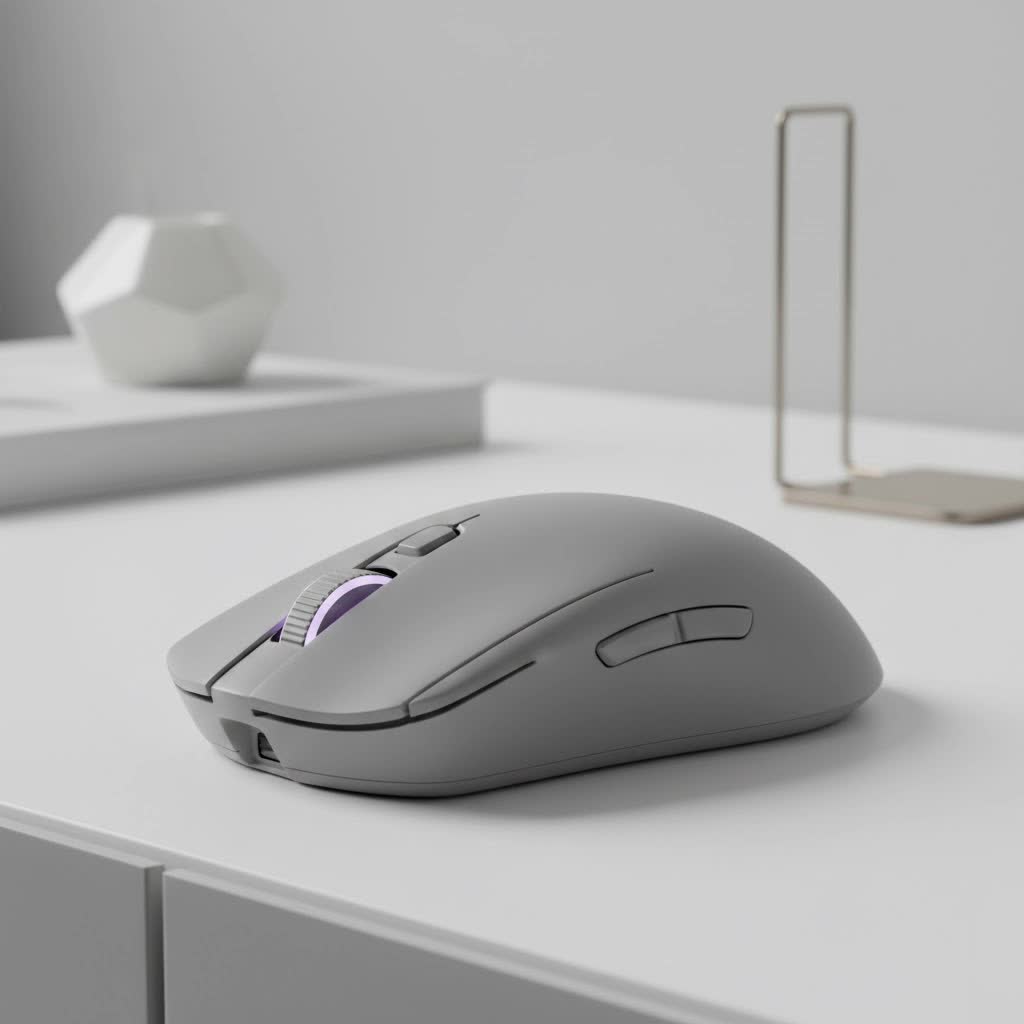
The term “ergonomic” gets thrown around a lot, but what does it actually mean in the context of a gaming mouse? Simply put, an ergonomic mouse is designed to fit the natural, resting posture of your hand. Unlike symmetrical, ambidextrous mice, ergonomic models are specifically sculpted with curves, slopes, and contours that support your palm, thumb, and fingers, reducing the muscular strain required to hold and operate it.
Think of it like the difference between a flat wooden stool and a cushioned armchair. Both let you sit, but only one is designed for you to settle in for hours. Key design elements you’ll see include:
- Contoured Shape: The body of the mouse is shaped to match the curve of your palm.
- Thumb Rest: A dedicated groove or wing provides a place for your thumb to sit comfortably, preventing it from dragging on the mousepad.
- Natural Slope: The mouse often slopes downward from left to right (for a right-handed mouse), allowing your wrist and forearm to remain in a more neutral position.
The Tangible Benefits of Switching to an Ergonomic Mouse
Upgrading isn’t just about feeling good; it translates directly to better in-game performance. When you’re not constantly fighting discomfort, your focus remains entirely on the game.
Reduced Strain and Fatigue
|
Our Picks for the Best Gaming Mouse in 2026
As an Amazon Associate I earn from qualifying purchases.
|
||
| Num | Product | Action |
|---|---|---|
| 1 | Razer Naga V2 HyperSpeed Wireless MMO Gaming Mouse: 19 Programmable Buttons - HyperScroll Technology - Focus Pro 30K Optical Sensor - Mechanical Mouse Switches Gen-2 - Up to 400 Hr Battery Life |

|
| 2 | Logitech G703 Lightspeed Wireless Gaming Mouse W/Hero 25K Sensor, PowerPlay Compatible, Lightsync RGB, Lightweight 95G+10G Optional, 100-25, 600 DPI, Rubber Side Grips - Black |
|
| 3 | Razer Viper V3 Pro Wireless Esports Gaming Mouse: Symmetrical - 54g Lightweight - 8K Polling - 35K DPI Optical Sensor - Gen3 Optical Switches - 8 Programmable Buttons - 95 Hr Battery - Black |
|
| 4 | Razer Basilisk V3 X HyperSpeed Customizable Wireless Gaming Mouse: Mechanical Switches Gen-2-5G Advanced 18K Optical Sensor - Chroma RGB 9 Programmable Controls 535 Hr Battery Classic Black |
|
| 5 | Razer DeathAdder Essential Gaming Mouse: 6400 DPI Optical Sensor - 5 Programmable Buttons - Mechanical Switches - Rubber Side Grips - Classic Black |
|
| 6 | Logitech G502 X Plus Wireless Gaming Mouse - LIGHTSPEED Optical, LIGHTFORCE Switches, LIGHTSYNC RGB, HERO 25K Sensor for PC/Mac - Black |
|
| 7 | Razer Basilisk V3 Customizable Ergonomic Gaming Mouse: Fastest Gaming Mouse Switch - Chroma RGB Lighting - 26K DPI Optical Sensor - 11 Programmable Buttons - HyperScroll Tilt Wheel - Classic Black |
|
| 8 | Logitech G502 Lightspeed Wireless Gaming Mouse with Hero 25K Sensor, PowerPlay Compatible, Tunable Weights and Lightsync RGB - Black |
|
| 9 | Logitech G PRO X SUPERLIGHT Wireless Gaming Mouse, Ultra-Lightweight, HERO 25K Sensor, 25,600 DPI, 5 Programmable Buttons, Long Battery Life, Compatible with PC / Mac - Black |
|
| 10 | Razer Viper V3 HyperSpeed Wireless Esports Gaming Mouse: 82g Lightweight - Up to 280 Hr Battery - 30K DPI Optical Sensor - Gen-2 Mechanical Switches - 8 Programmable Controls - Classic Black |
|
This is the most significant benefit. Repetitive motions from clicking and fast mouse movements can lead to Repetitive Strain Injury (RSI). An ergonomic gaming mouse promotes a healthier posture for your hand and wrist, significantly lowering the risk of pain and long-term injury. This means you can play longer without that nagging ache in your forearm.
Improved Comfort for Marathon Sessions
For streamers, competitive players, or anyone who loves a weekend-long gaming binge, comfort is crucial. An ergonomic mouse is built for endurance. Its supportive design minimizes pressure points and muscle tension, allowing you to stay comfortable and focused from the first match to the last.
Enhanced Accuracy and Control
A mouse that fits your hand like a glove provides a more stable and secure grip. This stability translates into smoother, more predictable movements. Your crosshair feels more like an extension of your own hand, leading to improved tracking, better flick shots, and more consistent aim. When your hand is relaxed and fully supported, your fine motor control is naturally better.
“A player’s mouse is their primary connection to the game. An ergonomic design removes the physical friction between player and hardware, allowing for a more seamless expression of skill.” – Dr. Alistair Finch, Esports Performance Analyst
How to Choose the Perfect Ergonomic Gaming Mouse
Not all ergonomic mice are created equal, and the perfect one for you depends on your unique physiology and play style. Here’s what you need to consider.
Hand Size and Grip Style
This is the most critical factor. Your grip style determines which parts of your hand make contact with the mouse and, therefore, what shape will be most comfortable.
- Palm Grip: Your entire palm rests on the mouse. This is the most relaxed grip. Look for larger, heavily contoured mice with a high back that fills your palm.
- Claw Grip: Your palm touches the back of the mouse, but your fingers are arched and tense, like a claw. You need a mouse with a pronounced hump at the back for palm support but a shorter overall length for finger mobility.
- Fingertip Grip: Only your fingertips touch the mouse; your palm doesn’t make contact at all. While typically suited for smaller, ambidextrous mice, some gamers prefer a small and lightweight ergonomic gaming mouse for the added stability.
Weight and Balance
Mouse weight is a matter of personal preference. Some players prefer a lighter mouse (under 80 grams) for fast, twitchy movements in FPS games. Others prefer a heavier mouse for more deliberate, controlled movements in MMOs or MOBAs. The key is to find a weight that feels balanced and doesn’t require extra effort to move or stop.
Button Layout and Accessibility
An ergonomic design extends beyond the shape to the placement of its buttons. The side buttons should be easy to reach with your thumb without requiring you to shift your grip. A poorly placed DPI button or sniper button can be more of a hindrance than a help. Make sure the layout feels intuitive and accessible for your hand.
Wired vs. Wireless
The debate between wired and wireless is ongoing, but in terms of ergonomics, wireless offers a clear advantage: no cable drag. A cable can create slight resistance that forces you to apply extra force, subtly tensing your muscles. Modern wireless technology is now so advanced that latency is a non-issue, making it a fantastic choice for a clean, unrestricted setup.
Are There Any Downsides to Ergonomic Mice?
While overwhelmingly beneficial, there are a couple of things to be aware of. First, most ergonomic mice are designed for right-handed users, leaving left-handed players with fewer options. Second, if you’re switching from an ambidextrous shape, there might be a brief adjustment period as your hand gets used to the new posture. However, this period is usually short, and the long-term benefits in comfort and control far outweigh the initial learning curve.
Frequently Asked Questions (FAQ)
What’s the difference between an ergonomic and an ambidextrous mouse?
An ergonomic mouse is specifically shaped to fit either the right or left hand for maximum comfort, featuring curves and a thumb rest. An ambidextrous mouse is symmetrical, meaning it has an identical shape on both sides and can be used equally well by both right- and left-handed players.
Can an ergonomic mouse actually improve my aim?
Yes, it can. By providing a more stable and comfortable grip, an ergonomic mouse allows for more consistent and precise movements. When your hand is relaxed, your fine motor control improves, which directly translates to better aim and tracking in-game.
How long does it take to get used to an ergonomic mouse?
The adjustment period varies from person to person, but most gamers feel comfortable within a few days to a week. Your muscles may need a short time to adapt to the new, more natural posture, but it quickly becomes second nature.
Are ergonomic mice only for gamers with large hands?
Not at all. Ergonomic mice come in a wide variety of shapes and sizes to accommodate all hand sizes. Many companies offer smaller versions of their popular ergonomic models specifically for users with small to medium-sized hands.
Is a vertical mouse good for gaming?
While a vertical mouse is excellent for ergonomics and preventing wrist strain during office work, it is generally not recommended for gaming. The “handshake” grip makes it difficult to make the rapid, precise, and stable movements required for most competitive games.
Your Next Move for Peak Performance
Choosing an ergonomic gaming mouse is an investment in your comfort, your health, and your in-game performance. By reducing physical strain, you’re freeing up mental energy to focus on strategy, reaction time, and hitting your shots. Take the time to consider your hand size, your grip style, and what you need from your most important peripheral. The right mouse won’t just feel better—it will help you play better. Now, go find the perfect fit and unlock your true potential.
