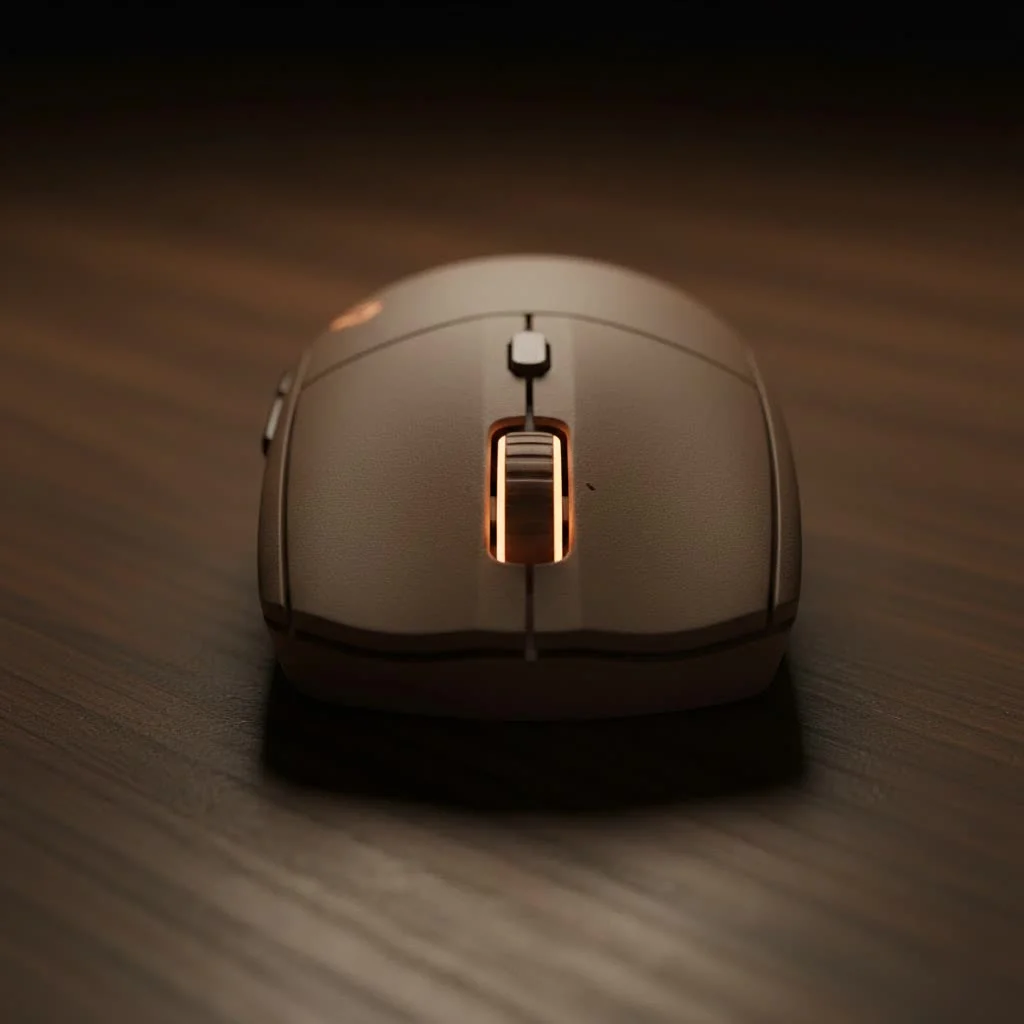
A custom gaming mouse is a personalized peripheral, either modified from an existing model or built from individual components, designed to perfectly match a gamer’s hand, grip style, and performance preferences. This level of customization offers unmatched ergonomics, precise performance tuning, and unique aesthetic expression, making it an ideal choice for competitive players and enthusiasts seeking optimal control and comfort during long gaming sessions.
What Exactly is a Custom Gaming Mouse?
The term “custom” can be a bit broad, so let’s break it down. On one hand, it can mean modifying an existing mouse—a practice known as “mouse modding.” This could involve swapping out switches for a different click feel, replacing the feet for a smoother glide, or using a lightweight 3D-printed shell to reduce mass.
On the other hand, a true custom gaming mouse often means building one from the ground up. This enthusiast-level pursuit involves sourcing individual components—the sensor, the printed circuit board (PCB), the switches, and the scroll wheel—and assembling them within a shell that is often custom-designed and 3D-printed to fit the user’s hand perfectly. It’s the ultimate expression of tailoring your gear to your exact specifications.
Why Go Custom? The Tangible Benefits
You might wonder if the effort is worth it when top brands offer fantastic mice. For many gamers, the answer is a resounding yes. The advantages go far beyond simple aesthetics.
Unmatched Ergonomics for Your Grip
Every hand is unique. Your grip style—be it palm, claw, or fingertip—and the size of your hand dictate what shape will be most comfortable and provide the most control. A custom gaming mouse allows you to choose or create a shell that fits like a glove.
“The biggest performance gain from a custom mouse isn’t just about lighter weight or a better sensor; it’s about ergonomics,” explains Alex ‘The Click’ Chen, a veteran peripheral designer. “When a mouse melts into your hand, you eliminate subconscious micro-adjustments and tension. Your aim becomes more natural and consistent, especially during long gaming sessions.”
Performance Tuned to Perfection
When you build your own mouse, you control every aspect of its performance.
- Switches: Want a crisp, tactile click for FPS games or a lighter, spammable switch for MOBAs? You can choose from dozens of microswitches (from brands like Kailh, Omron, or TTC) to get the exact feel and actuation force you desire.
- Sensor: You can select a top-tier Pixart sensor known for its flawless, 1:1 tracking, ensuring your in-game crosshair moves precisely with your hand, with no acceleration or prediction.
- Weight: By using a 3D-printed honeycomb shell and lightweight components, you can achieve a final weight that is often significantly lower than even the lightest mass-produced mice, making rapid flicks and tracking feel effortless.
An Expression of Your Unique Style
|
Our Picks for the Best Gaming Mouse in 2026
As an Amazon Associate I earn from qualifying purchases.
|
||
| Num | Product | Action |
|---|---|---|
| 1 | Logitech G502 Lightspeed Wireless Gaming Mouse with Hero 25K Sensor, PowerPlay Compatible, Tunable Weights and Lightsync RGB - Black |

|
| 2 | Logitech G PRO X SUPERLIGHT Wireless Gaming Mouse, Ultra-Lightweight, HERO 25K Sensor, 25,600 DPI, 5 Programmable Buttons, Long Battery Life, Compatible with PC / Mac - Black |
|
| 3 | Logitech G703 Lightspeed Wireless Gaming Mouse W/Hero 25K Sensor, PowerPlay Compatible, Lightsync RGB, Lightweight 95G+10G Optional, 100-25, 600 DPI, Rubber Side Grips - Black |
|
| 4 | Razer Naga V2 HyperSpeed Wireless MMO Gaming Mouse: 19 Programmable Buttons - HyperScroll Technology - Focus Pro 30K Optical Sensor - Mechanical Mouse Switches Gen-2 - Up to 400 Hr Battery Life |
|
| 5 | Razer Viper V3 Pro Wireless Esports Gaming Mouse: Symmetrical - 54g Lightweight - 8K Polling - 35K DPI Optical Sensor - Gen3 Optical Switches - 8 Programmable Buttons - 95 Hr Battery - Black |
|
| 6 | Razer Basilisk V3 Customizable Ergonomic Gaming Mouse: Fastest Gaming Mouse Switch - Chroma RGB Lighting - 26K DPI Optical Sensor - 11 Programmable Buttons - HyperScroll Tilt Wheel - Classic Black |
|
| 7 | Razer Viper V3 HyperSpeed Wireless Esports Gaming Mouse: 82g Lightweight - Up to 280 Hr Battery - 30K DPI Optical Sensor - Gen-2 Mechanical Switches - 8 Programmable Controls - Classic Black |
|
| 8 | Razer Basilisk V3 X HyperSpeed Customizable Wireless Gaming Mouse: Mechanical Switches Gen-2-5G Advanced 18K Optical Sensor - Chroma RGB 9 Programmable Controls 535 Hr Battery Classic Black |
|
| 9 | Razer DeathAdder Essential Gaming Mouse: 6400 DPI Optical Sensor - 5 Programmable Buttons - Mechanical Switches - Rubber Side Grips - Classic Black |
|
| 10 | Logitech G502 X Plus Wireless Gaming Mouse - LIGHTSPEED Optical, LIGHTFORCE Switches, LIGHTSYNC RGB, HERO 25K Sensor for PC/Mac - Black |
|
Beyond performance, a custom gaming mouse is a statement piece. You have complete freedom over the color, material, and design of the shell. Whether you want a transparent resin shell that shows off the internal components or a vibrant color scheme that matches the rest of your setup, the possibilities are endless. It’s a way to own a piece of gaming gear that is truly one-of-a-kind.
The Core Components: What’s Inside?
Building a custom gaming mouse involves understanding its key parts. Think of it like building a PC, but on a much smaller scale.
The Shell and Shape
This is the chassis of your mouse. The shape is paramount for ergonomics. Many custom designs are inspired by popular, “safe” shapes, but modified for weight reduction or specific grip styles. 3D printing is the most common method, using materials like PLA, ABS, or even lightweight nylon.
Microswitches
These are the small buttons beneath the main mouse clicks. They determine the feel and sound of your clicks. Each switch has different characteristics, such as operating force and travel distance.
The Sensor
The sensor is the “eye” of the mouse, tracking its movement across the mousepad. For gaming, a high-quality optical sensor (like the Pixart 3360, 3389, or newer models) is essential for raw, accurate tracking.
The PCB
The Printed Circuit Board is the central nervous system. It connects all the components—switches, sensor, and scroll wheel—to the microcontroller that communicates with your PC. Some builders design their own, while others use pre-made PCBs.
Mouse Feet (Skates)
Usually made from Polytetrafluoroethylene (PTFE), these small pads on the bottom of the mouse ensure a smooth glide. The size, shape, and material of the feet can significantly alter how the mouse feels on your pad.
Cable or Wireless Technology
For a wired build, a paracord cable is the gold standard. It’s incredibly flexible and light, minimizing cable drag to the point where the mouse feels almost wireless. For wireless builds, the project becomes more complex, requiring batteries and a compatible wireless PCB.
Is a Custom Gaming Mouse Right for You?
Embarking on a custom mouse journey is a rewarding experience, but it’s not for everyone. Let’s consider who benefits the most.
- The Tinkerer and Hobbyist: If you love DIY projects, soldering, and 3D printing, building a mouse is a fascinating and practical challenge.
- The Performance Optimizer: For competitive players who feel that no off-the-shelf mouse is quite perfect, a custom build offers the final percentage of optimization that could make a difference.
- The Ergonomics Seeker: If you experience hand strain or discomfort with standard mice, designing a mouse specifically for your hand shape can be a major upgrade for comfort and long-term health.
However, it does require an investment in time, effort, and potentially cost. You’ll need patience for troubleshooting and a willingness to learn about the different components.
Frequently Asked Questions (FAQ)
How much does a custom gaming mouse cost?
The cost can vary widely. A simple modding project might only cost $20-$30 for new switches and feet. A full DIY build from scratch can range from $60 to over $150, depending on the quality of the sensor, PCB, and materials used for the shell.
Is building a custom mouse difficult?
It has a learning curve. Basic soldering skills are often required, and if you’re designing your own shell, some familiarity with 3D modeling software is needed. However, many open-source kits and guides are available to help beginners get started.
Can I just make my current mouse better?
Absolutely! “Mouse modding” is a great entry point. Starting with a mouse that has a shape you already like, you can upgrade the switches, cable, and feet to significantly improve its feel and performance without building one from scratch.
What is the most important part to customize?
For most users, the shape and weight of the shell will have the most immediate and noticeable impact on comfort and aiming. After that, upgrading the microswitches for a better click feel is a close second.
Your Endgame Awaits
The world of the custom gaming mouse is where performance hardware meets personal expression. It’s an opportunity to move beyond simply buying the “best” mouse and instead build the best mouse for you. By taking control of every component, from the ergonomic shape of the shell to the crispness of the click, you create a tool that is perfectly synchronized with your body and your playstyle. It’s more than just a peripheral; it’s your key to a more comfortable, precise, and personalized gaming experience.
Get our weekly buyer guide
Practical specs, not advice. Unsubscribe anytime.
I finally took the plunge and built my own custom gaming mouse after reading about it. Swapping out the switches for a lighter click feel made a huge difference in my RTS games. It’s amazing how much more responsive everything feels now. Definitely worth the effort for anyone serious about their setup.
I’ve been using a modified G Pro Wireless for a while, mostly just replacing the feet for a smoother glide. It’s a small change but really helps with flick shots in Valorant. I’m thinking about trying a 3D-printed shell next to reduce the weight even further. The guide was super helpful for getting started.
I tried building a mouse from scratch, but honestly, finding all the individual components was a bit of a hassle. The ergonomics are great now that it’s done, but the process took way longer than I expected. I think for my next one, I’ll stick to just mouse modding an existing model instead of a full build.
My old mouse always felt a bit off for my grip style, especially during long gaming sessions. Customizing it to perfectly match my hand has been a game-changer for comfort and control. I used a lightweight 3D-printed shell and it feels like an extension of my arm now. Highly recommend for competitive players.